
Florida Wildlife Photography: Where to Find Birds in Florida
If you’re searching for the best spots for Florida wildlife photography or wondering where to find birds in Florida, you don’t have to look far. From world-class wildlife refuges to your own backyard, Florida offers some of the easiest and most rewarding bird photography opportunities in the country. Here are three of my favorite locations for Florida birding and wildlife photography, especially during peak migration season.
1. Arthur R. Marshall Loxahatchee National Wildlife Refuge
One of the largest urban wildlife refuges in the country, Loxahatchee is a must-visit for photographers and birders alike.
If you’re new to photographing here, check out my full video guide here:
Cypress Boardwalk – Best for Songbirds
If you enjoy photographing fast-moving songbirds, the cypress boardwalk is the place to start.
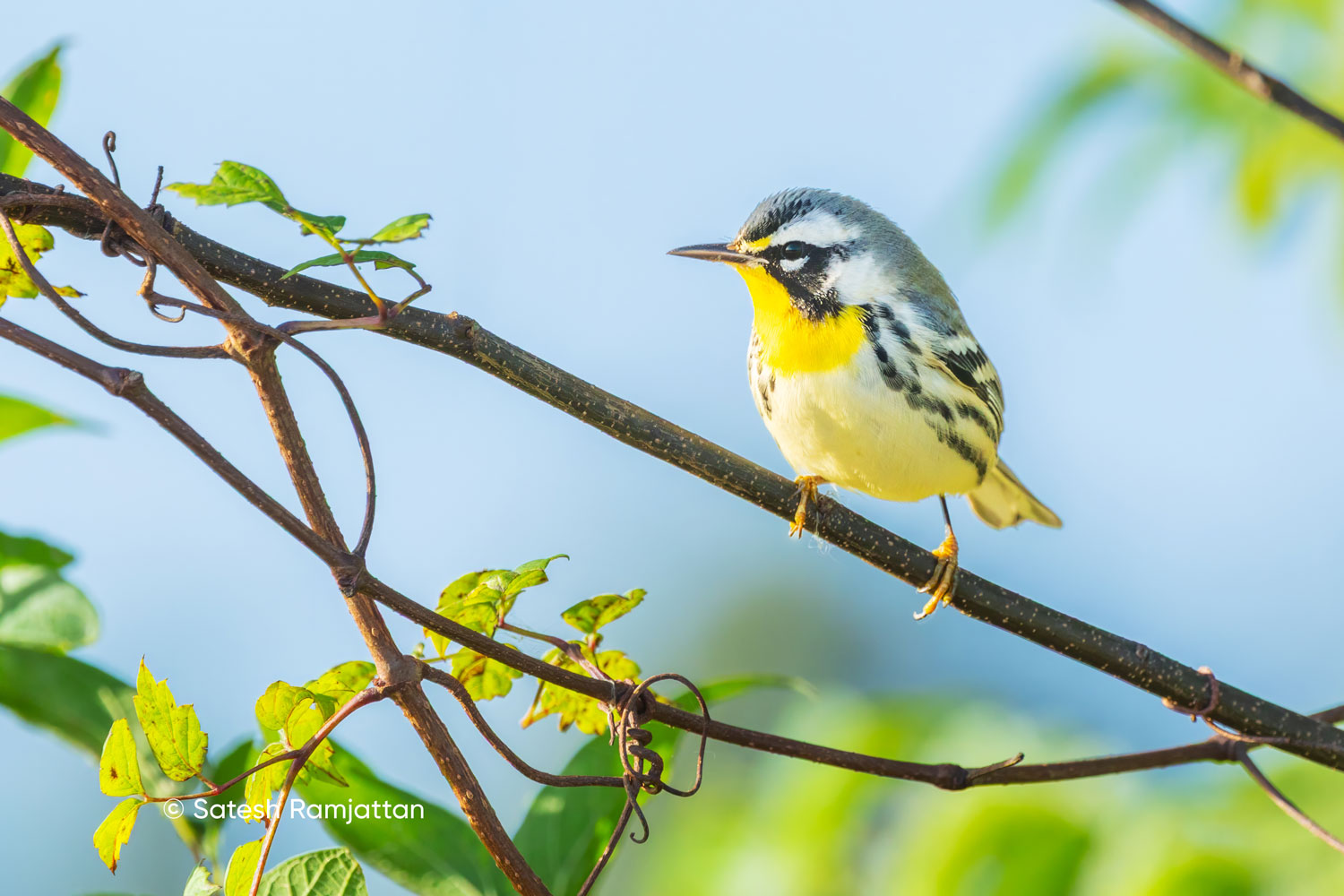
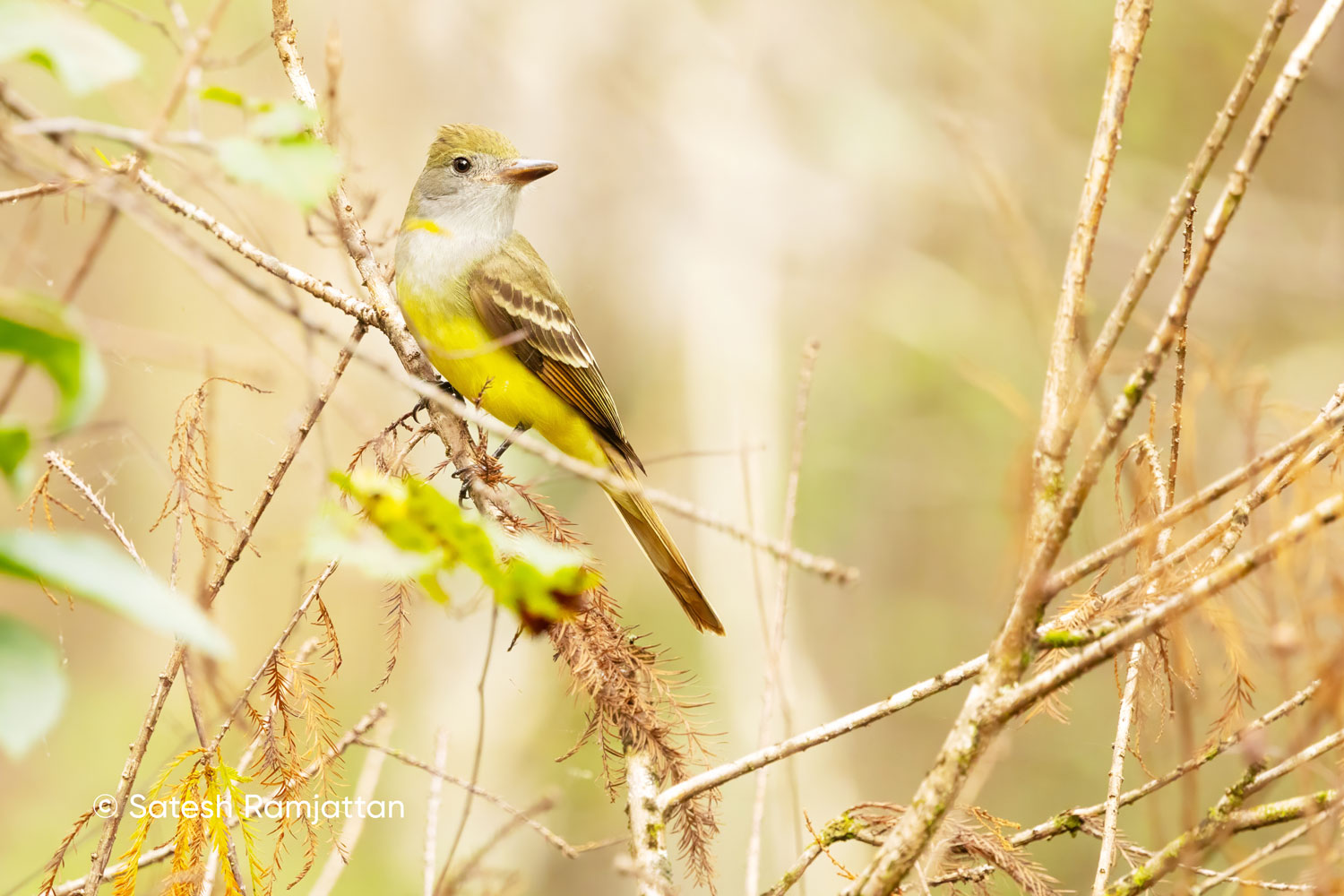
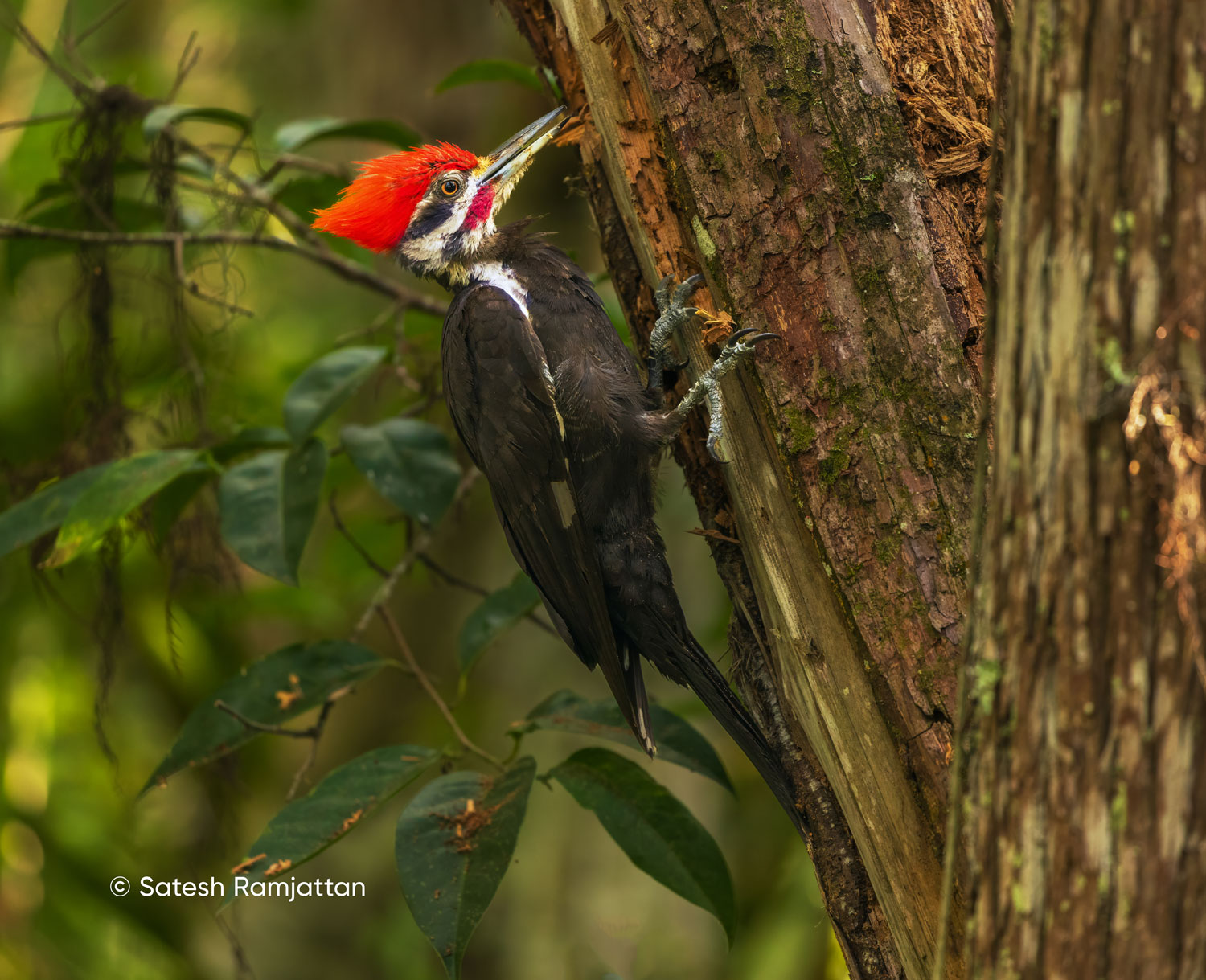
Common winter species include:
- Palm warblers
- Black-and-white warblers
- Blue-gray gnatcatchers
- Red-bellied woodpeckers
- Pileated woodpeckers
- Great crested flycatchers
Best time to visit: January through March
Because the boardwalk is surrounded by tall cypress trees, lighting can be tricky. I typically shoot:
- ISO 3200–6400
- Fast shutter speeds
- Continuous autofocus
Marsh Trail – Wading Birds & Raptors
The Marsh Trail offers a completely different experience. You can walk or bike it, and you’ll see:
- Herons
- Egrets
- Waterfowl
- Red-shouldered hawks
- American kestrels
Lately, I’ve spent time near the parking areas photographing buntings and sparrows in the brush:
- Swamp sparrows
- Painted buntings
- Indigo buntings
- Prairie warblers
The key here? Sit still and be patient. Florida birding rewards stillness. Birds quickly get accustomed to you when you remain calm and predictable.
Lens recommendation:
A 100–500mm works well, but there were times I wished I had my 200–800mm for extra reach.
2. Merritt Island National Wildlife Refuge
If you’re serious about Florida wildlife photography, this location is hard to beat.
Peak season runs from December through March, when migratory birds flood the refuge. Species can change weekly, sometimes even daily making every visit unique.
And yes, you might even photograph a rocket launch while you’re there.er through March, when migratory birds flood the area.
Watch my full Merritt Island experience here:
Black Point Wildlife Drive
This seven-mile unpaved drive allows you to photograph wildlife directly from your vehicle.
Habitats include mangroves and marshes that are perfect ecosystems for:
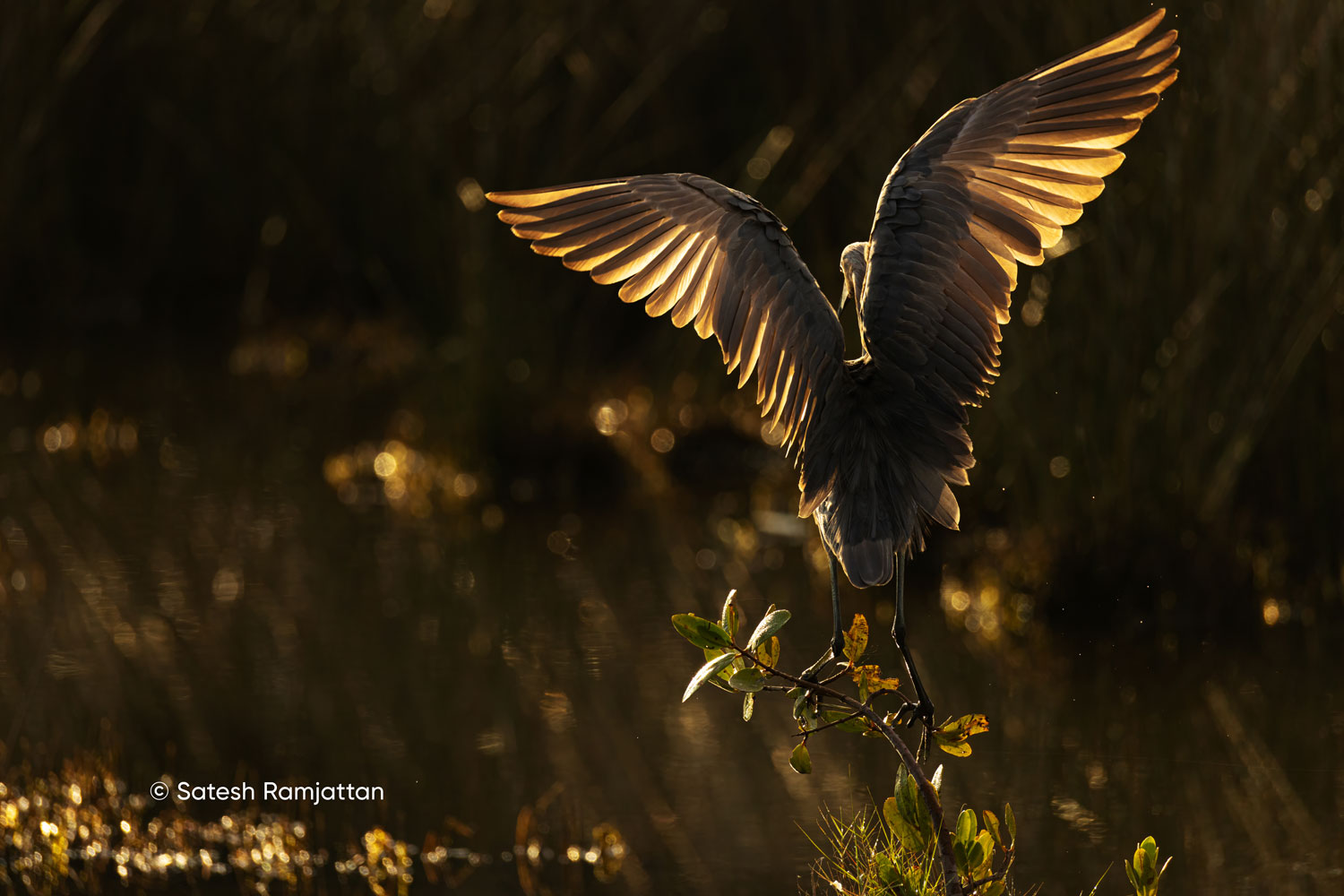
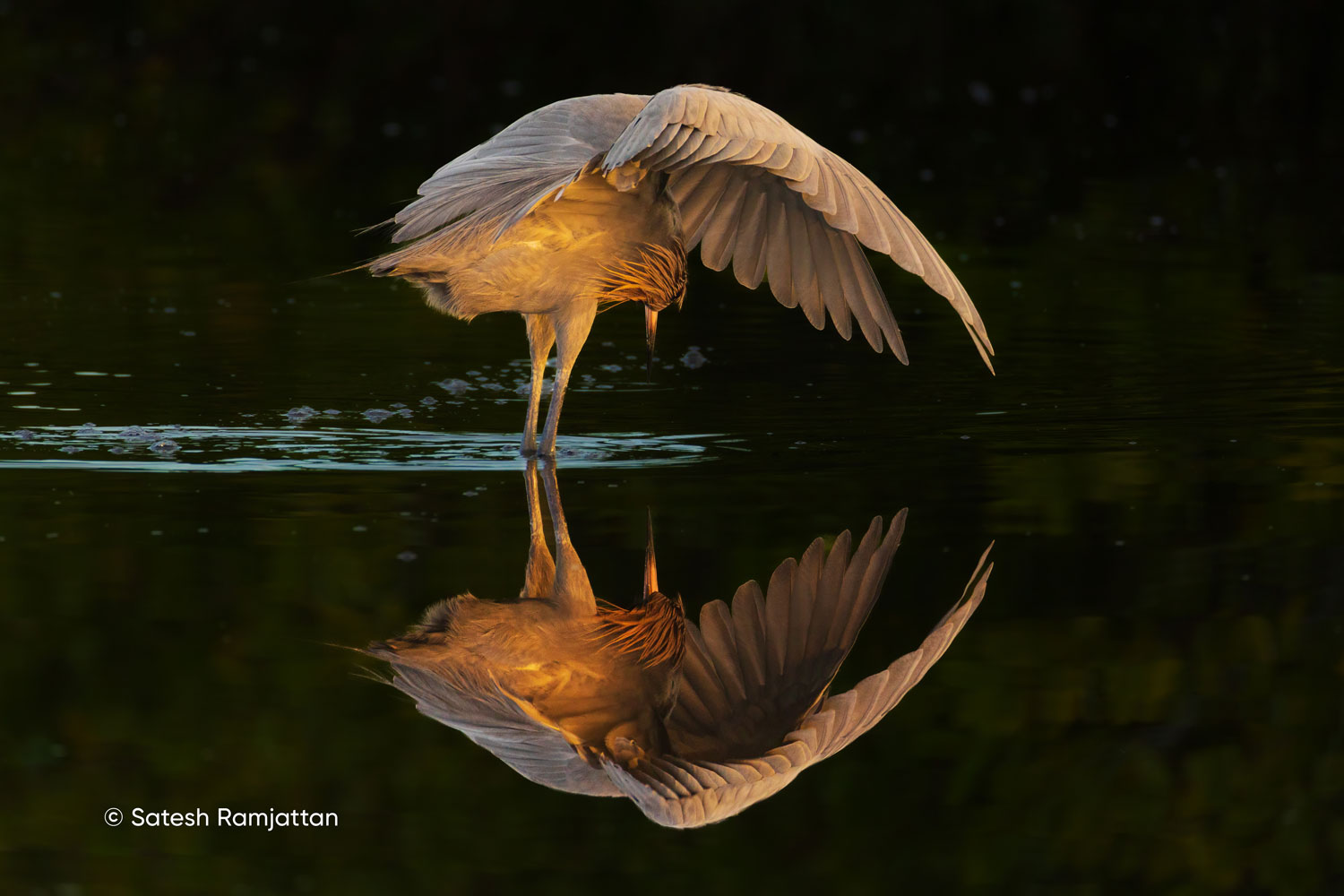
- Great egrets
- Snowy egrets
- Glossy ibis
- White ibis
- Tricolored herons
- Roseate spoonbills
- White pelicans
- Blue-winged teal
- American coots
- Reddish egrets
- Black skimmers
During winter, low water levels concentrate fish, which attracts large numbers of birds.
Tip: Arrive 30 minutes before sunrise to scout the most active areas.
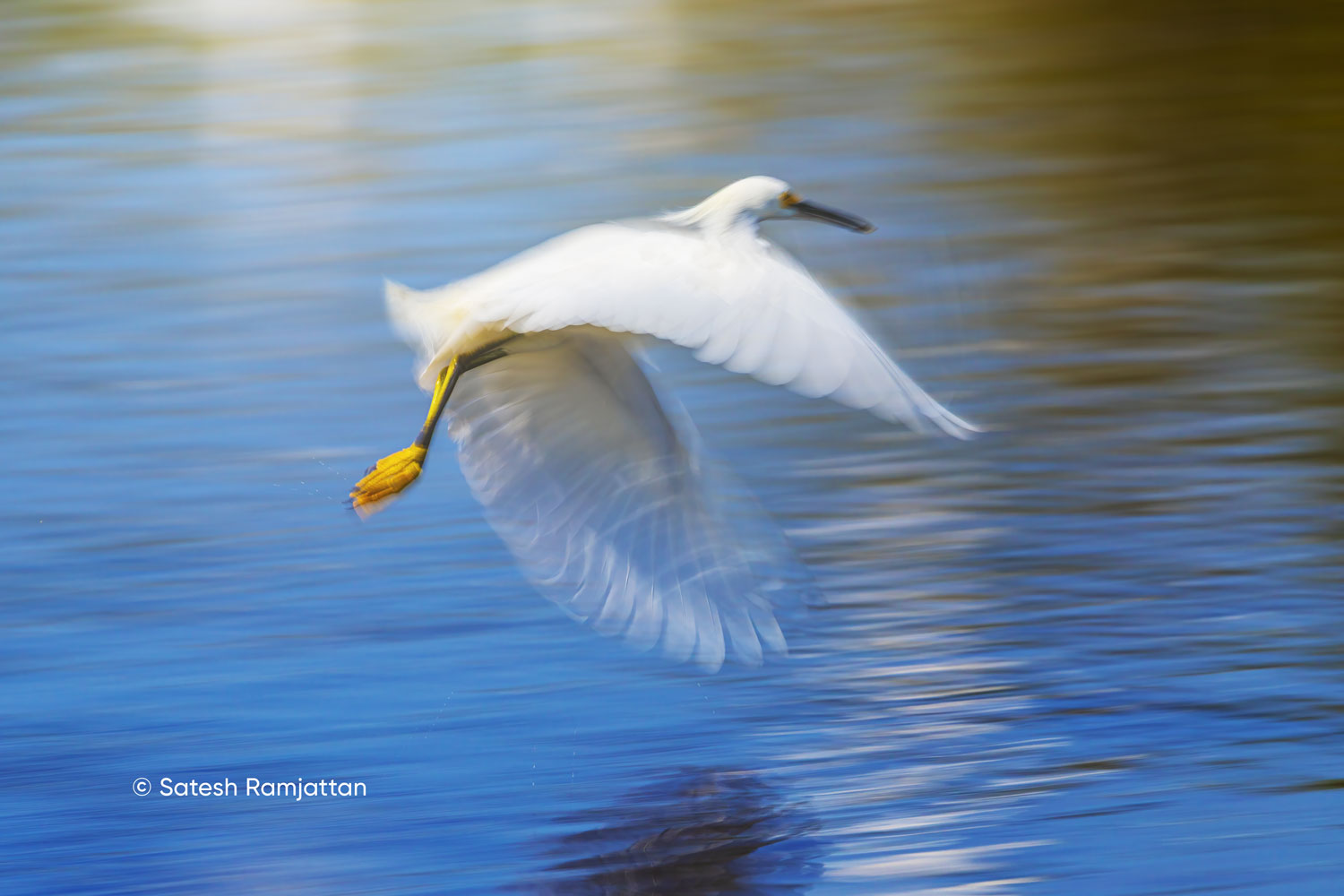
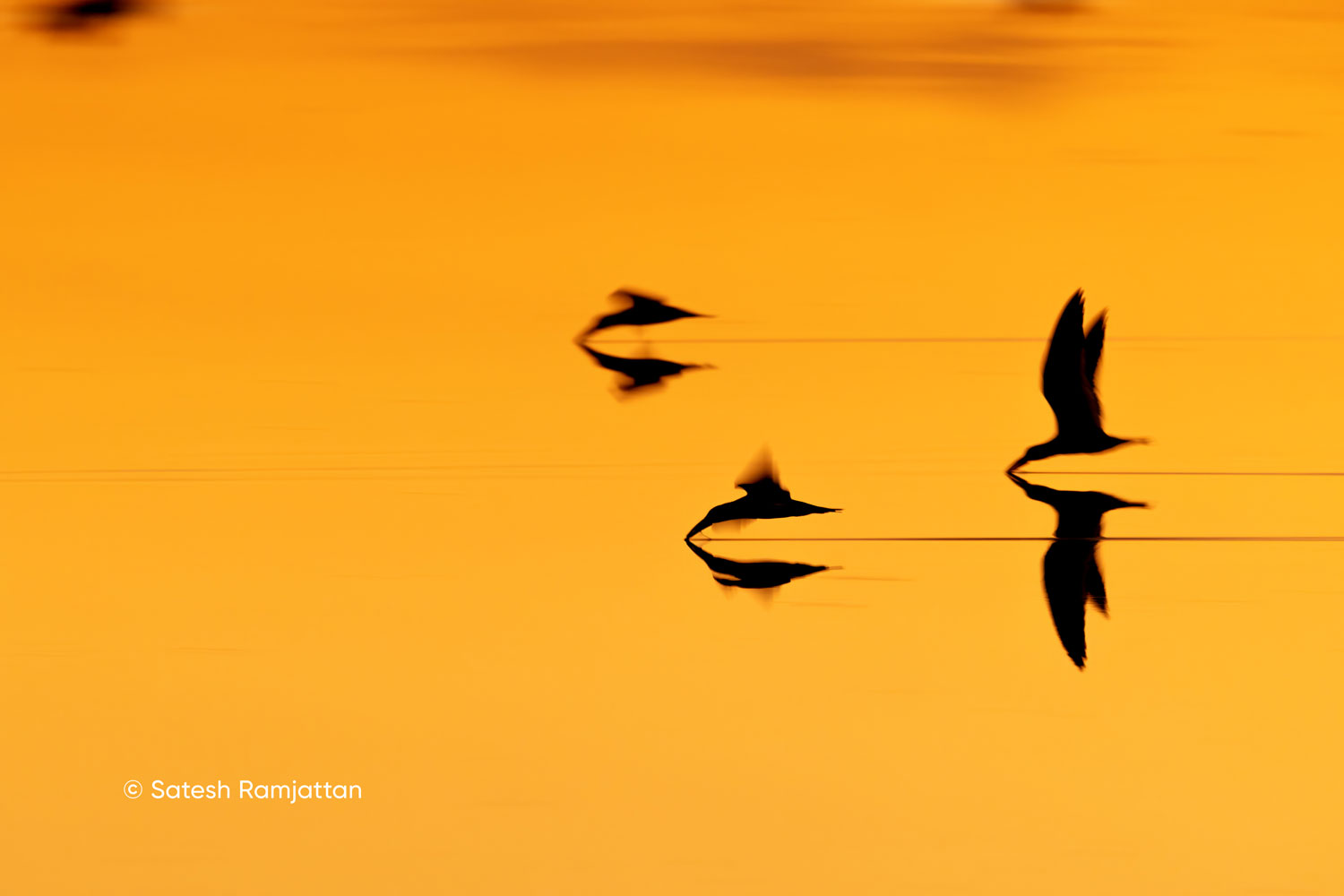
One morning, black skimmers were flying through bright orange reflections. I experimented with slow shutter speeds between 1/40–1/60 second to create abstract motion blur images, a creative approach when light is low.
Creative Tip:
Experiment with slow shutter speeds (1/40–1/60 sec) for artistic motion blur.
Haulover Canal
Haulover Canal is perfect for photographing:
- Brown pelicans
- Osprey
- Manatees
- Dolphins
Wildlife here is dynamic and unpredictable making it ideal for storytelling images.
Manatees are easy to spot but surprisingly difficult to photograph, you never know where they’ll surface. Dolphins move between Mosquito Lagoon and the Indian River through the canal.
I once spent over an hour photographing a brown pelican trying (and failing) to fish. Moments like that are what make Florida wildlife photography so addictive.
Lens recommendation: Bring your longest lens. I shot everything here with a 200–800mm.




Backyard Birding in Florida
The final (and most underrated) place for Florida birding and wildlife photography is your own backyard.
You don’t need a refuge. You don’t need exotic landscapes.
You need patience and observation.
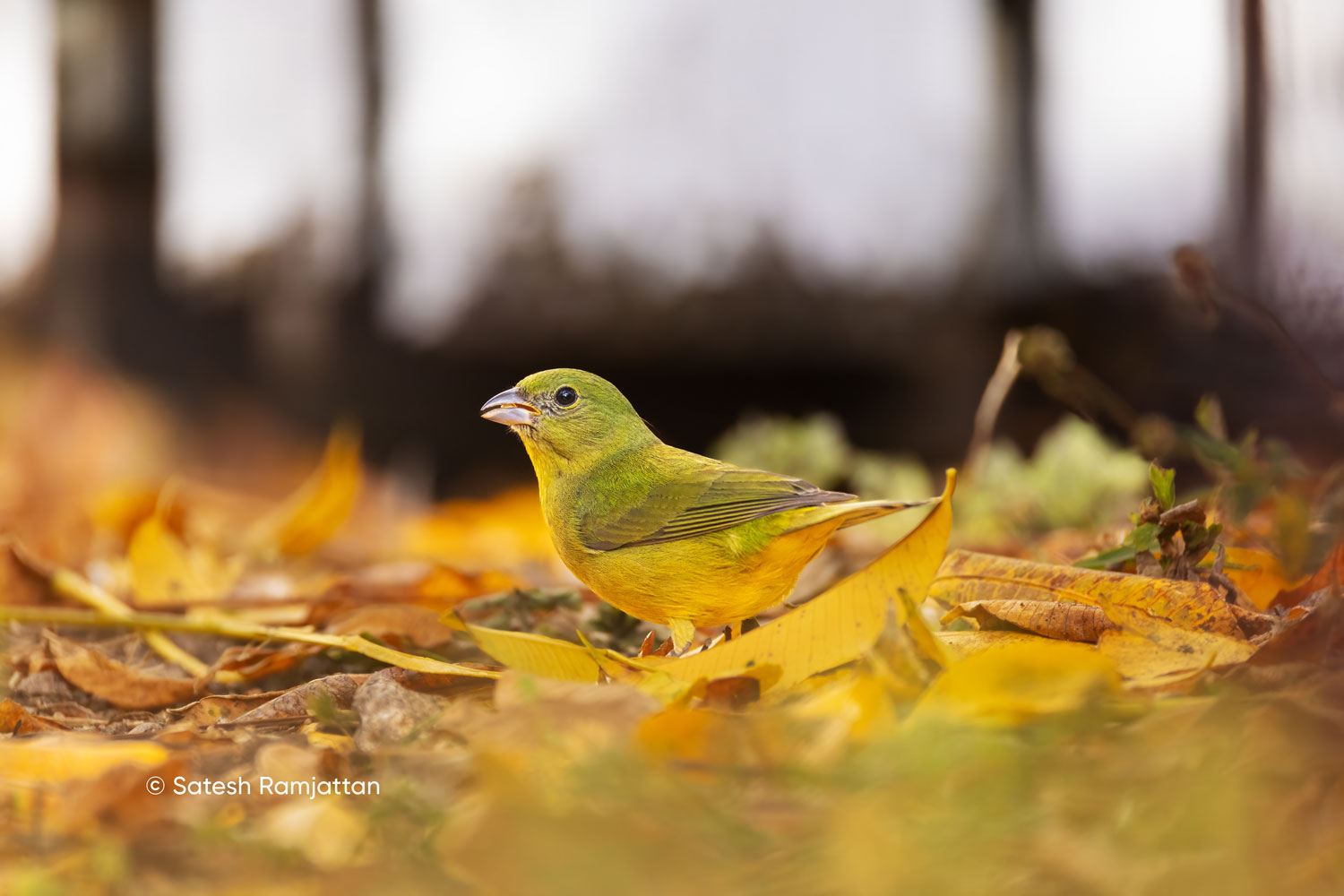
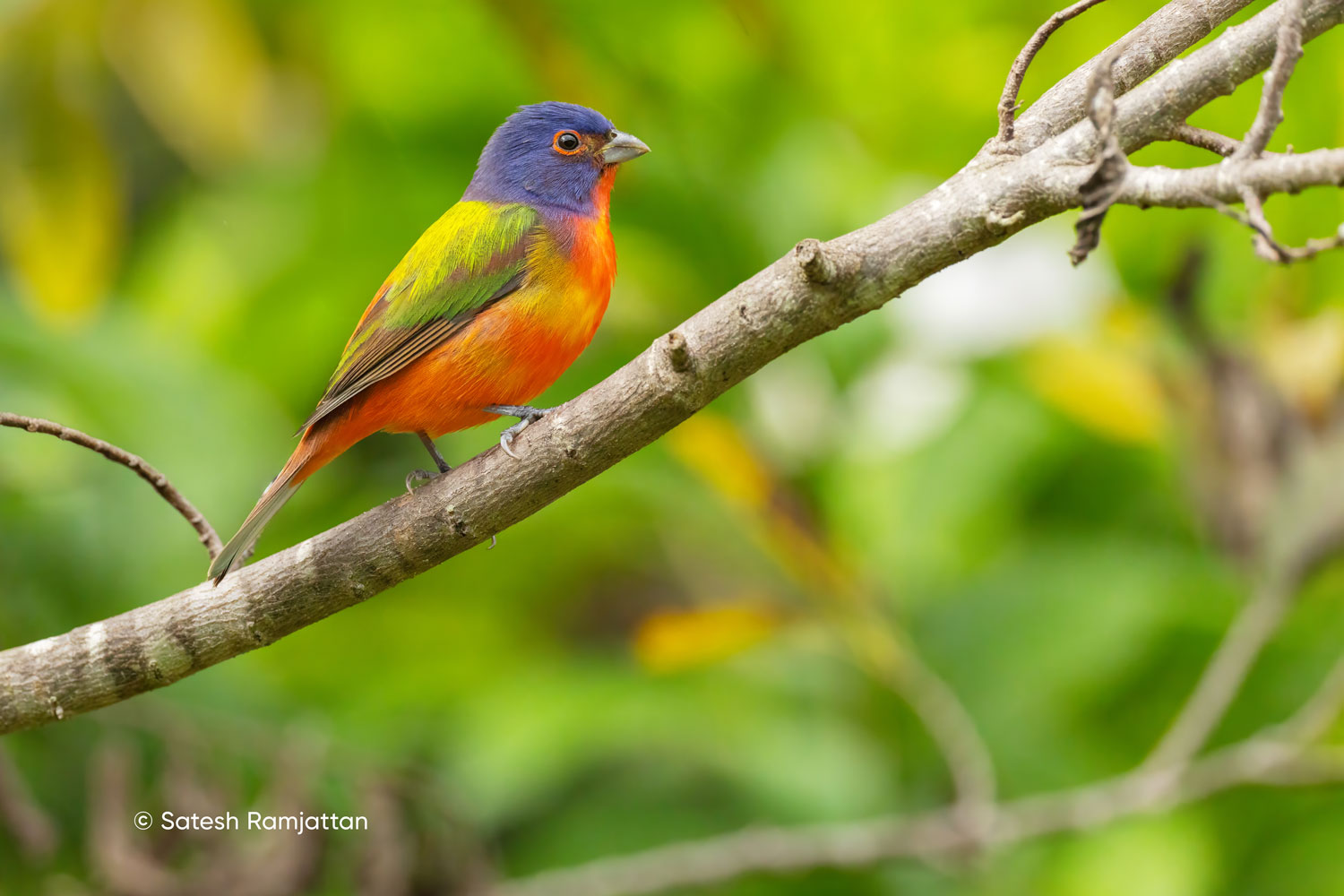
I placed feeders and scattered seeds and was surprised at the diversity:
- Blue jays
- Mourning doves
- Boat-tailed grackles
- Common grackles
- Hummingbirds
- Painted buntings
Lessons Backyard Birding Taught Me
1. Learn behavior.
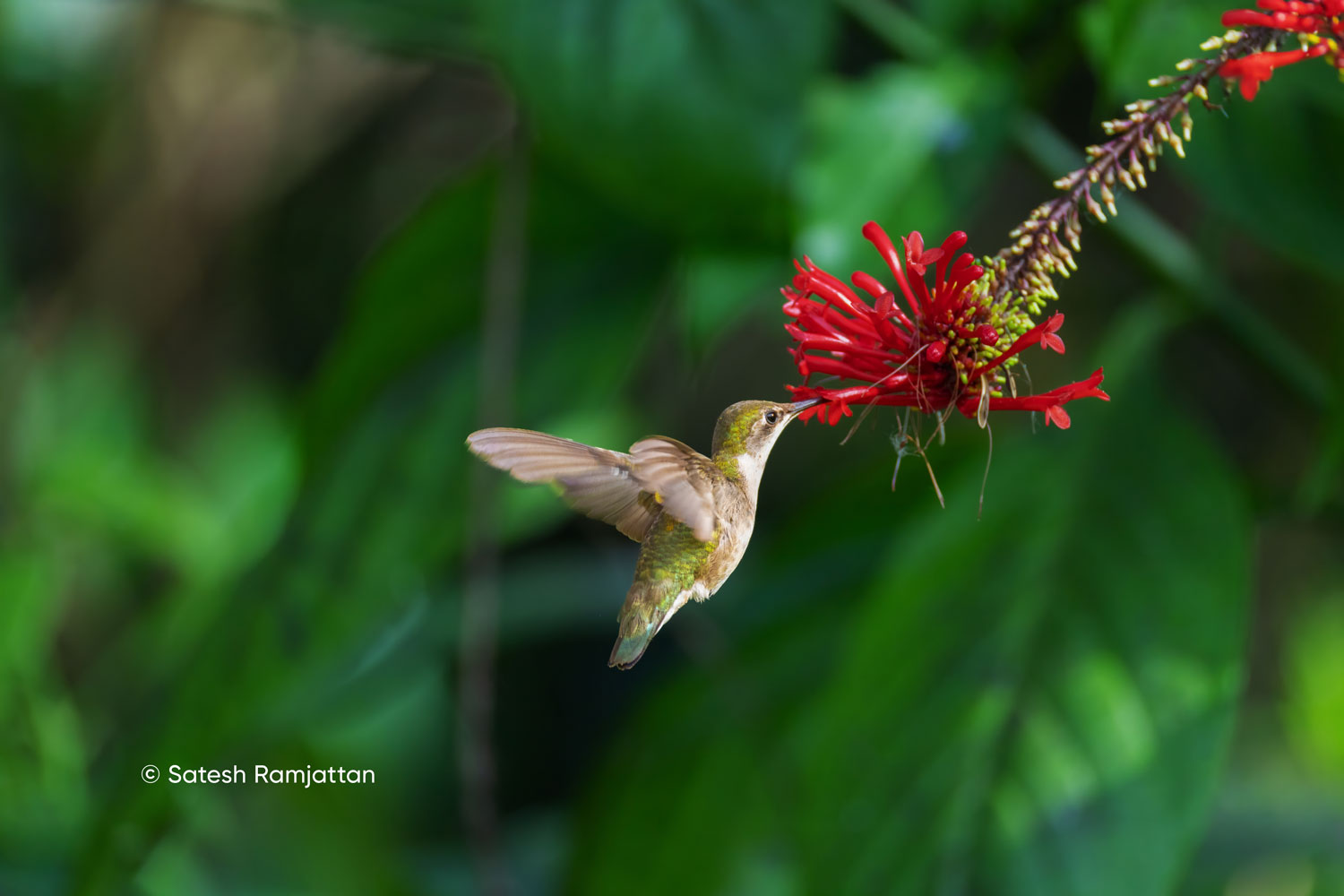
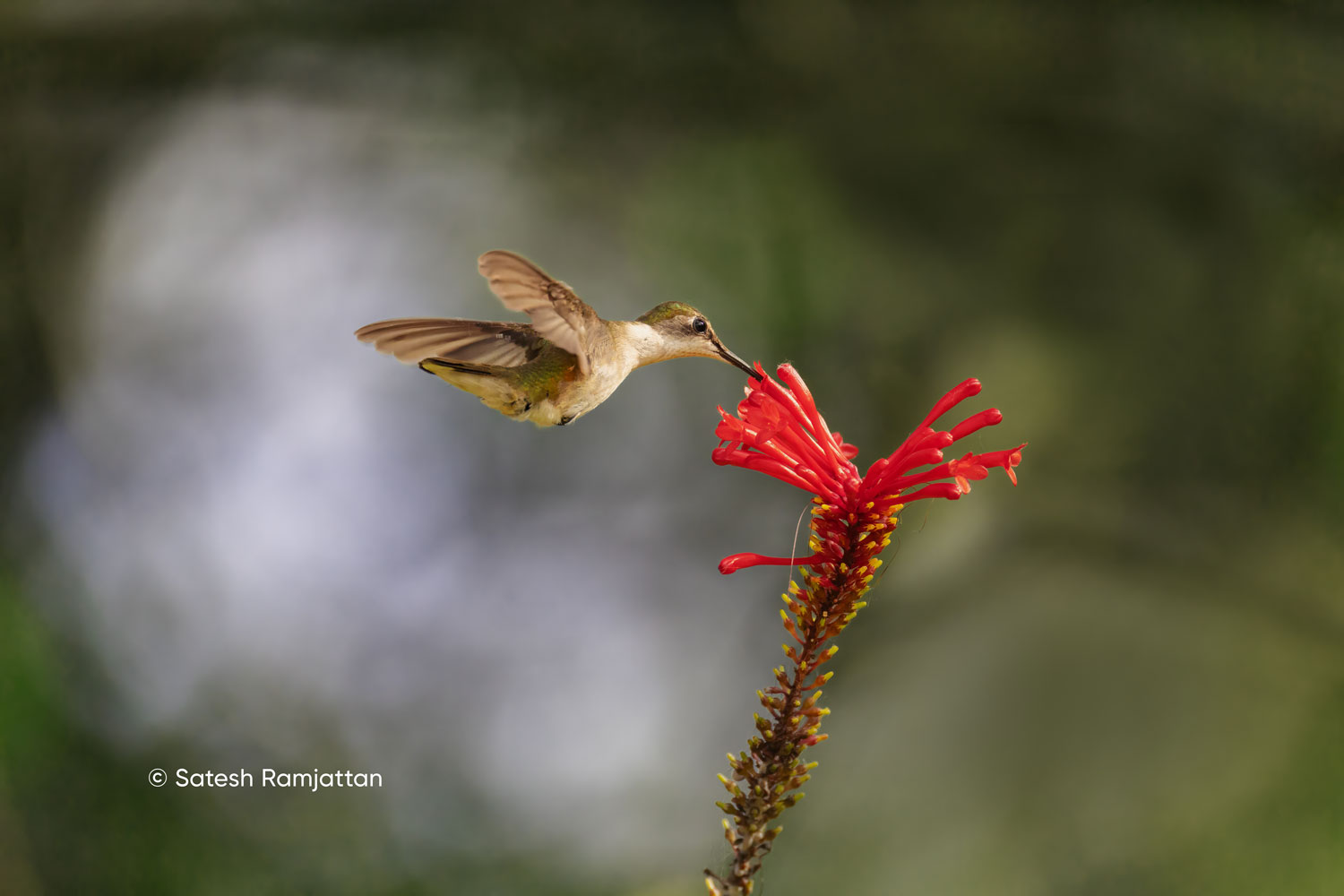
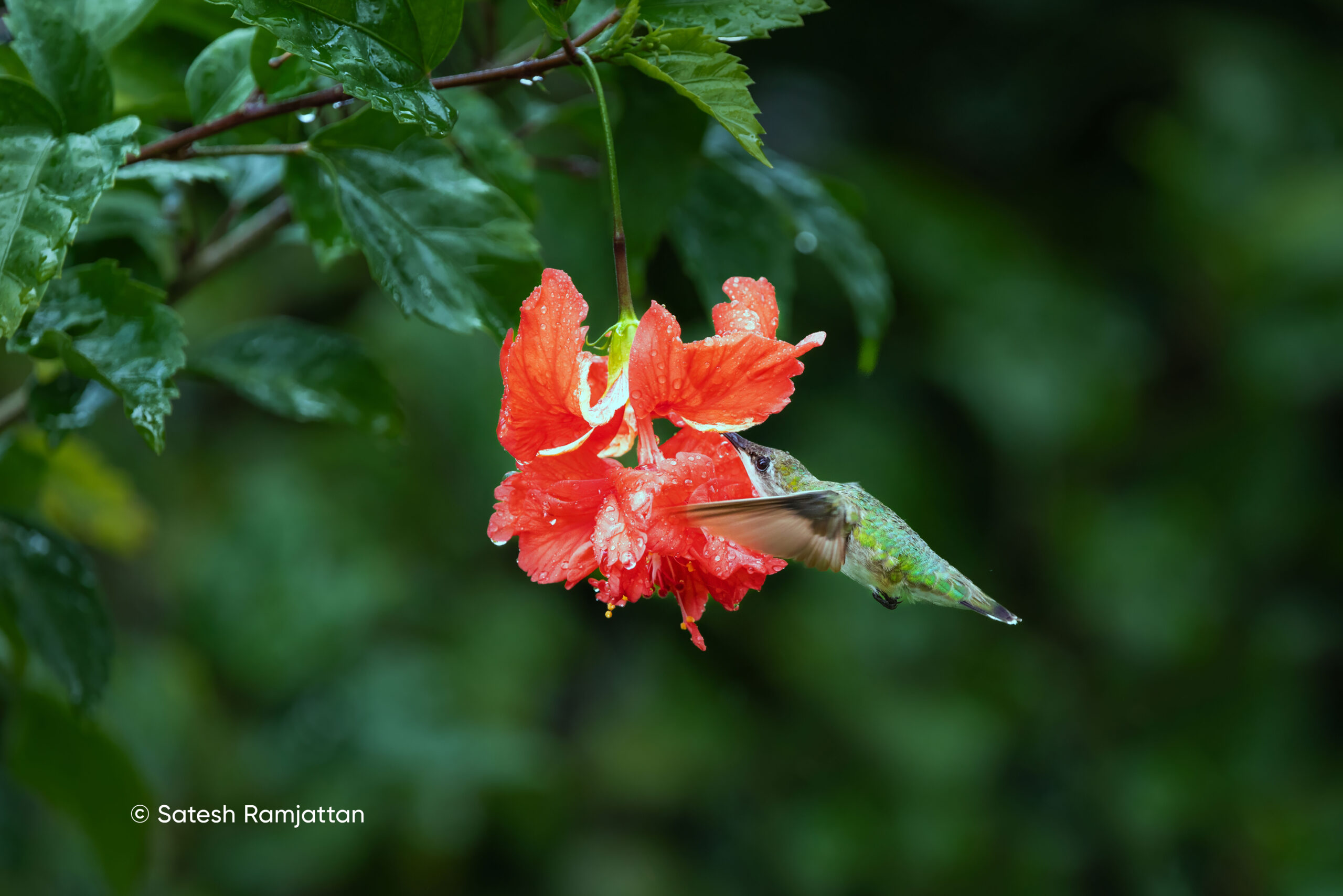
Hummingbirds are creatures of habit. One female returned to the same perch every day at the same time. By observing her routine, I was able to anticipate her movements and capture stronger images.
2. Practice tracking skills.
Small birds move fast. Backyard practice dramatically improved my ability to aim and track with long lenses.
3. Embrace Florida weather.
One afternoon, a heavy Florida downpour rolled in — and the hummingbird stayed on her perch. Photographing her in the rain became one of my favorite images.
Backyard birding is one of the best ways to sharpen your skills before heading to larger refuges.


When Is the Best Time for Florida Wildlife Photography?
If you’re planning a trip and wondering where to find birds in Florida, aim for:
December through March
This is peak winter migration season, when bird diversity is highest across the state.
During this time, Florida becomes one of the top destinations in North America for bird photography.
Final Thoughts on Florida Birding & Wildlife Photography
Florida offers some of the easiest wildlife photography in the country — whether you’re exploring national wildlife refuges or simply stepping outside your back door.
From the cypress swamps of Loxahatchee to the marshes of Merritt Island and the surprise visitors in your yard, there’s always something new to photograph.
And that’s what keeps me coming back.
What birds are on your list? And what species are showing up in your backyard?